

See More of What Matters Around Your Property
When choosing CCTV, start with the information you want your cameras to capture. You may need to see who approaches your front door, check whether a delivery has arrived or understand what happened around a particular entrance. Each purpose places different demands on the camera position, image detail and recording setup.
At Thorogood Audio Visual, we discuss these priorities before recommending equipment. We consider access routes, building layout, lighting and any obstacles that could interrupt the view. This helps us identify suitable camera locations and explain where additional coverage may be useful.
The design also needs to reflect how your property is used. A shared driveway, enclosed garden or separate garage can introduce different requirements from a straightforward front entrance. By considering the whole layout, we can recommend a balanced installation that concentrates on useful views without unnecessary equipment or duplicated coverage.
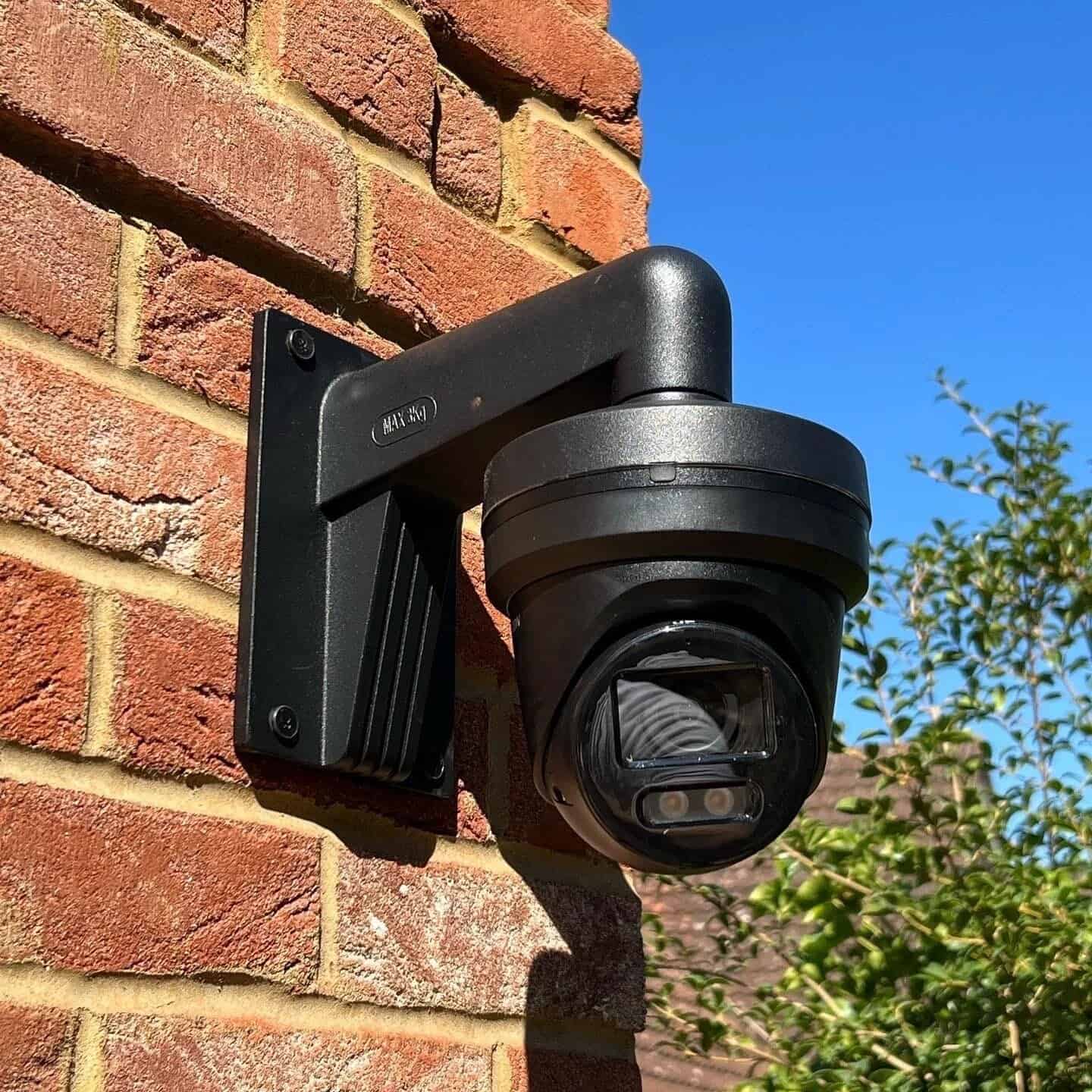
Home CCTV Installation in Hitchin
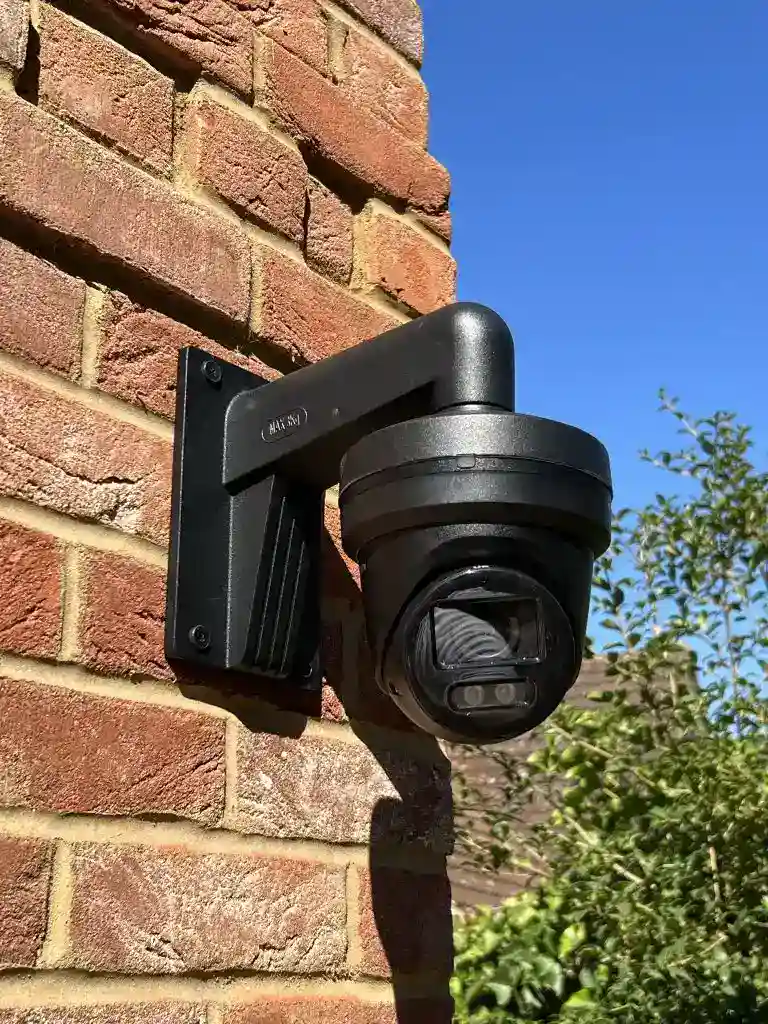
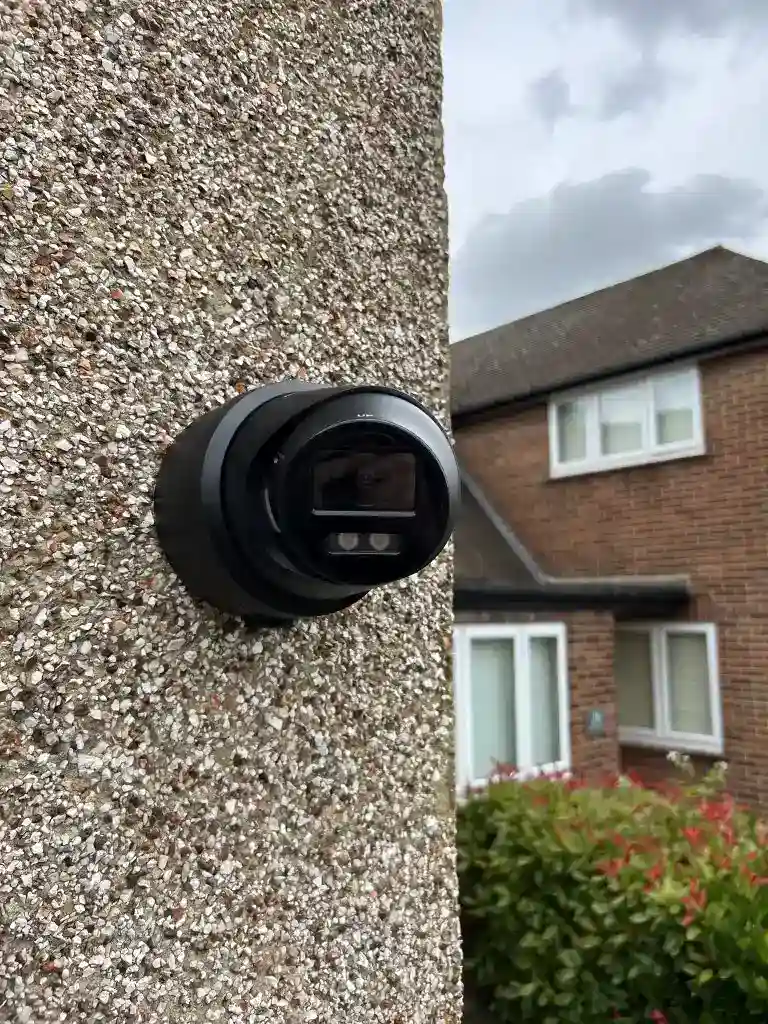
For homeowners, CCTV can provide a convenient way to check activity around the outside of the house. Cameras may cover a front path, parking area, side gate or rear access, depending on the property and your concerns. The aim is to make these areas easier to monitor while keeping the installation tidy and manageable.
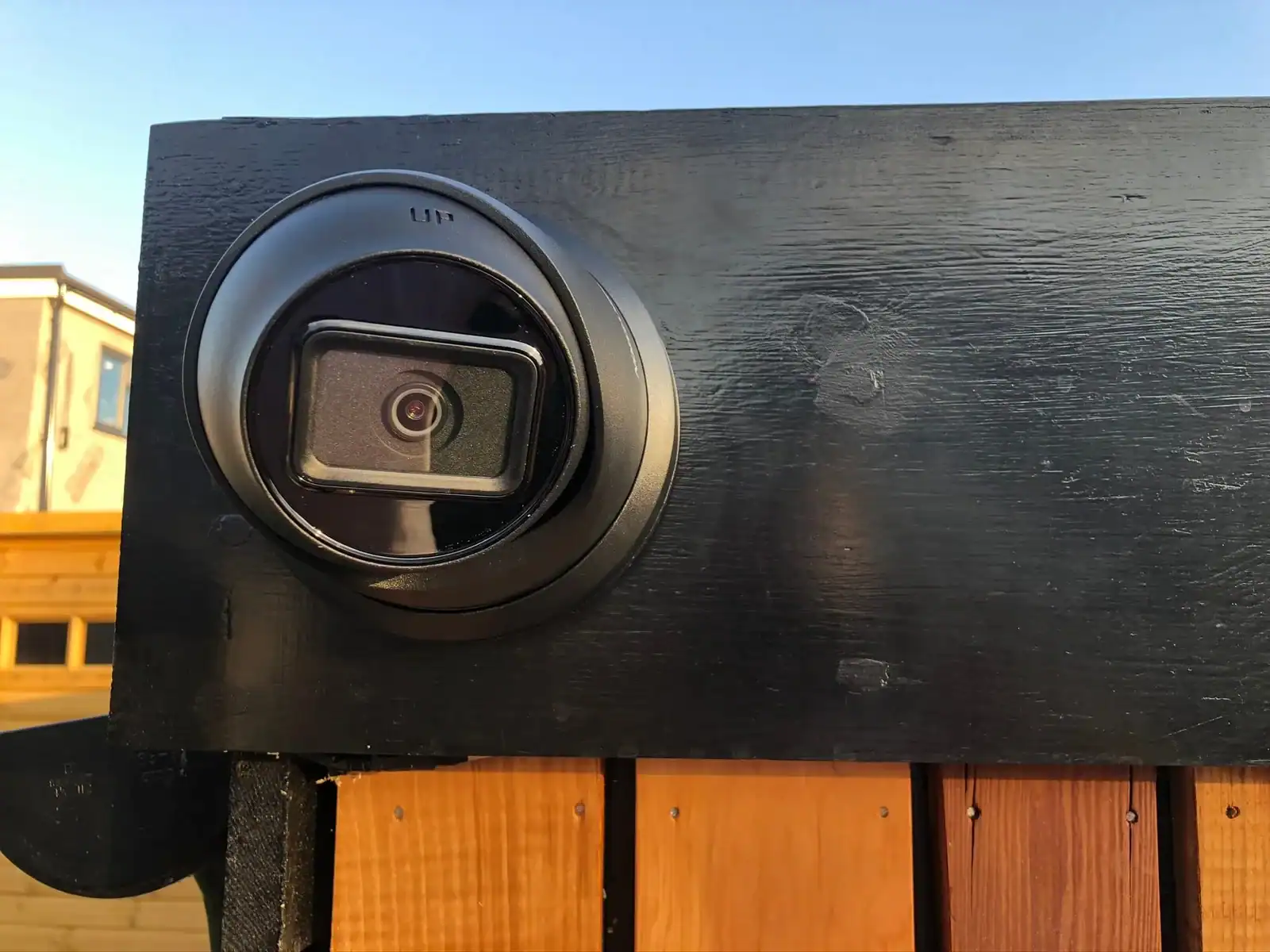
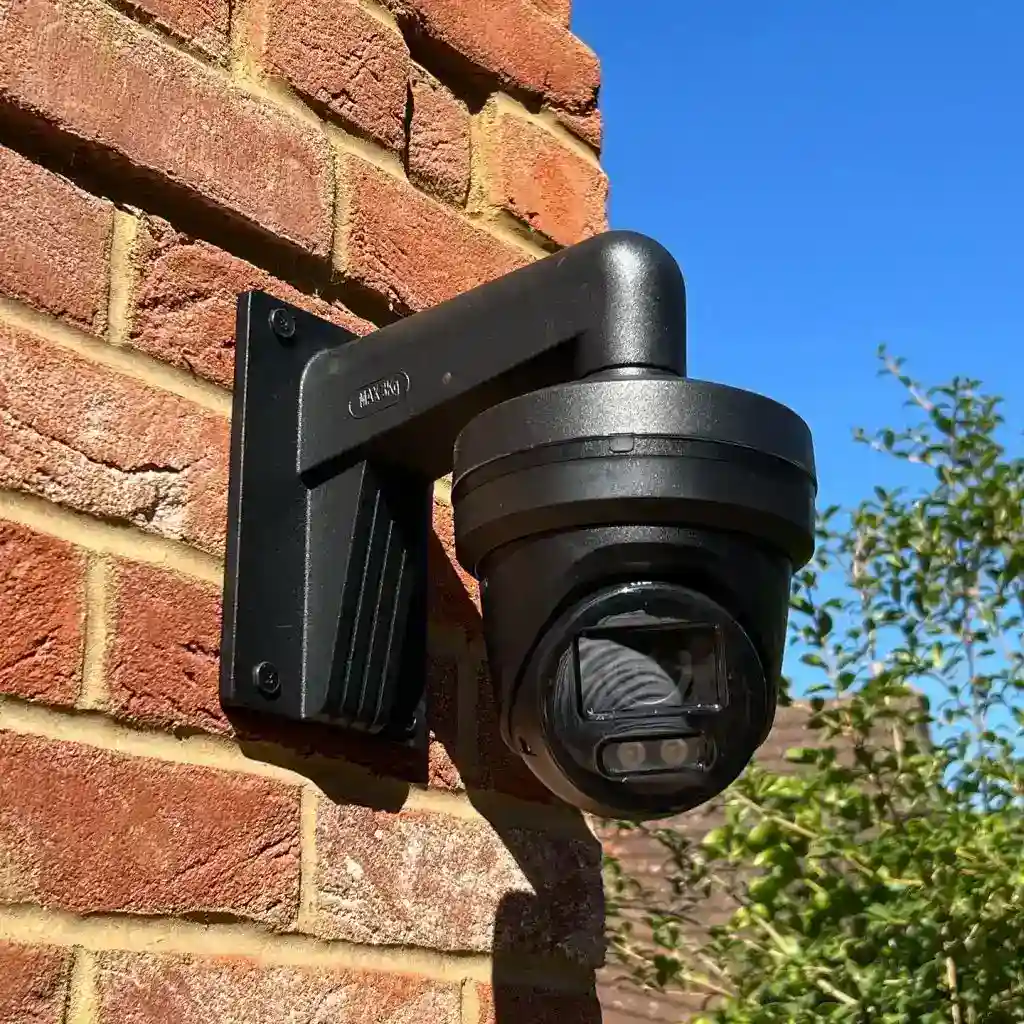
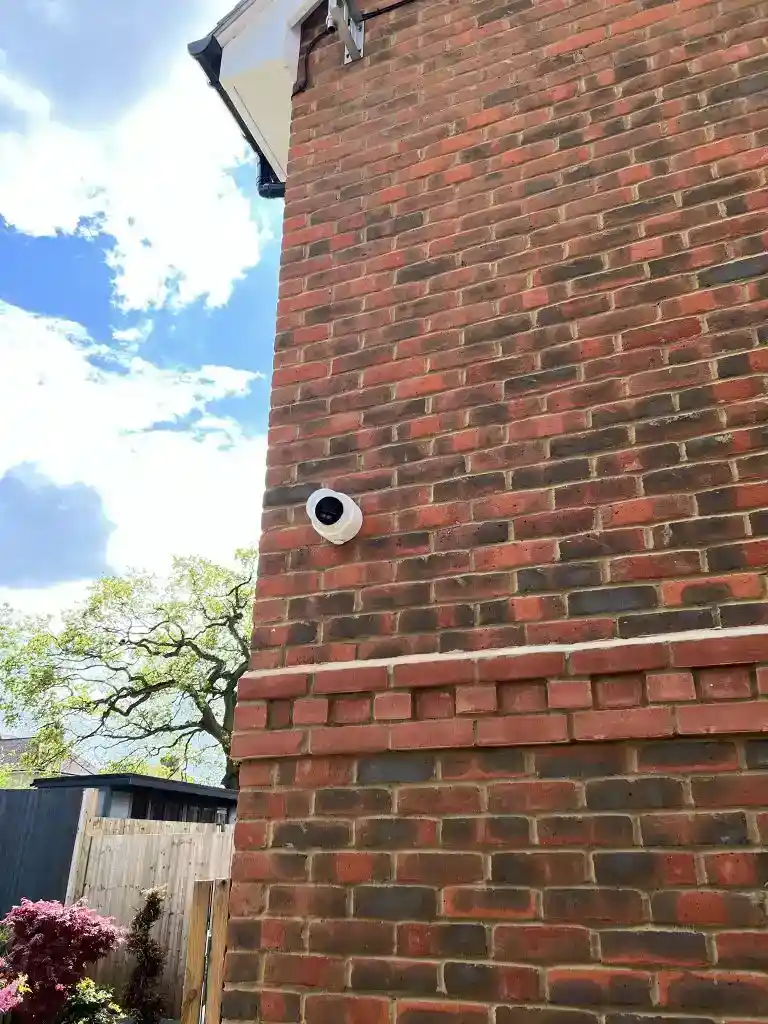
We assess how cameras can be mounted securely and where cabling can be routed. The location of the recorder and supporting equipment is considered at the same time, including access for operation and maintenance. Where cable concealment is limited, we explain the available routes before installation begins.
Your daily routine matters too. If you regularly travel, work away from home or want to check the property during the day, compatible remote viewing features may be useful. We can discuss these options alongside recording requirements so your system supports the way you intend to use it.

Business CCTV Planned Around Your Premises
Commercial CCTV should reflect the activities taking place within and around the building. A shop entrance, stockroom, workshop and delivery area each present different monitoring requirements. Camera selection and positioning need to account for these differences, including lighting changes and the movement of people or vehicles.
We help businesses in Hitchin identify the areas where visual coverage would be most useful. This may include access points, external storage, customer-facing spaces or routes used outside normal opening hours. We also discuss who will operate the system and which functions they need to access.
Recording arrangements can then be matched to the proposed installation. The number of cameras, recording quality and storage capacity all affect how footage is retained and reviewed. Our CCTV installation service brings these decisions together, helping you understand the proposed setup before committing to the work.
Clear Footage Starts with Careful Positioning
Camera specifications are only part of achieving a useful image. A camera facing direct sunlight, looking through reflective glass or positioned close to a bright external light may struggle to capture the detail you expect. Mounting height and viewing angle can also change how clearly people and objects appear.
We consider these factors when planning CCTV installations in Hitchin. The proposed views should suit the purpose of each camera, whether that means observing general activity or concentrating on a particular approach to the building. Wider coverage does not always provide the same detail as a more focused view.
Conditions after dark require attention as well. Available lighting and the capabilities of the selected cameras influence night-time performance. We explain the options and their limitations, helping you distinguish between equipment that shows movement in an area and a setup intended to capture more useful detail.
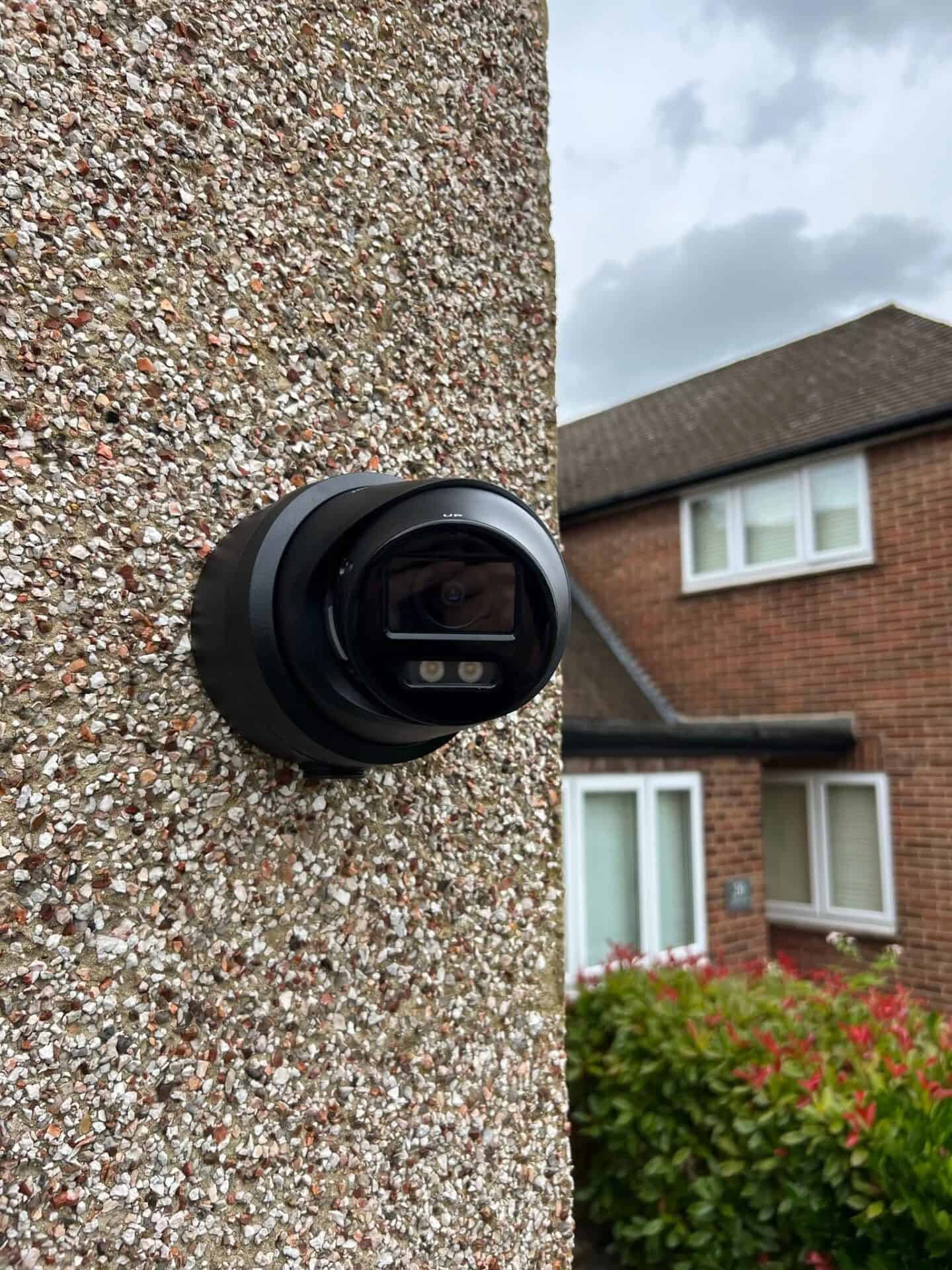
Coordinating CCTV with Your Wider Security
You may be installing CCTV as a first step or adding cameras to an existing security arrangement. In either case, it helps to consider what other equipment is already protecting the building. An intruder alarm and a camera system can complement one another by providing different types of information.
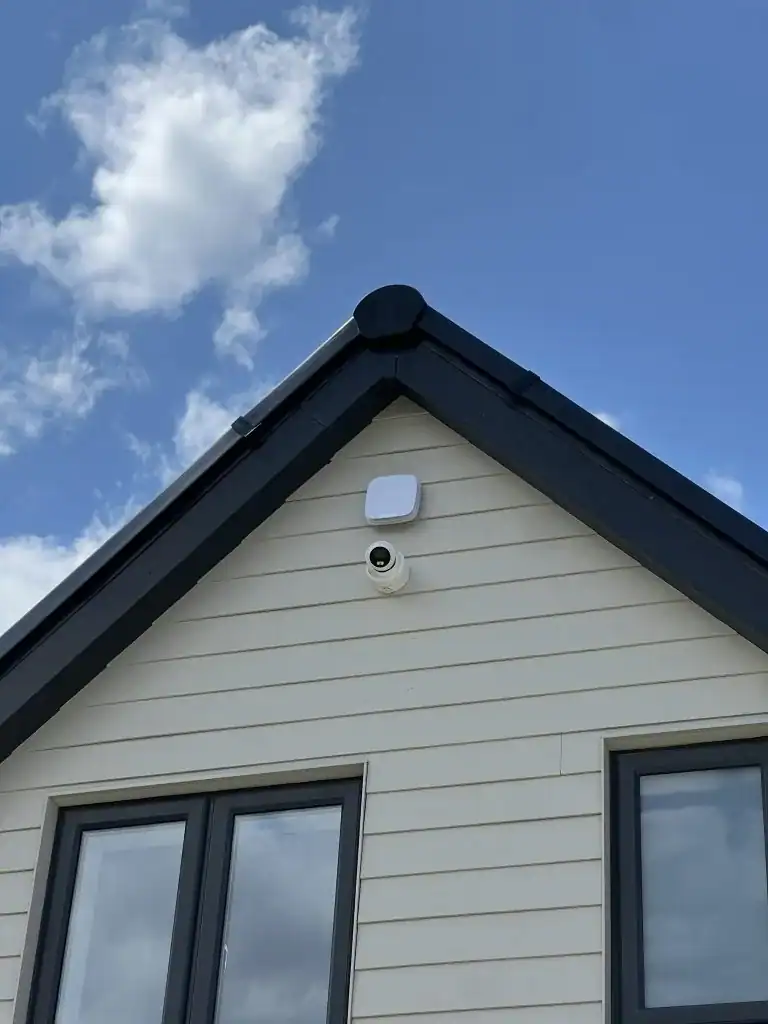
Thorogood Audio Visual also provides smart alarm installation, allowing you to discuss both services when planning improvements. Cameras can provide a visual record of monitored areas, while an alarm uses suitable detectors to identify particular events.
Where connected operation is important, compatibility needs to be checked before equipment is selected. Some combinations support shared controls or linked features, while others operate separately. We explain the proposed arrangement clearly, helping you choose useful functions without assuming every device will work through the same application.

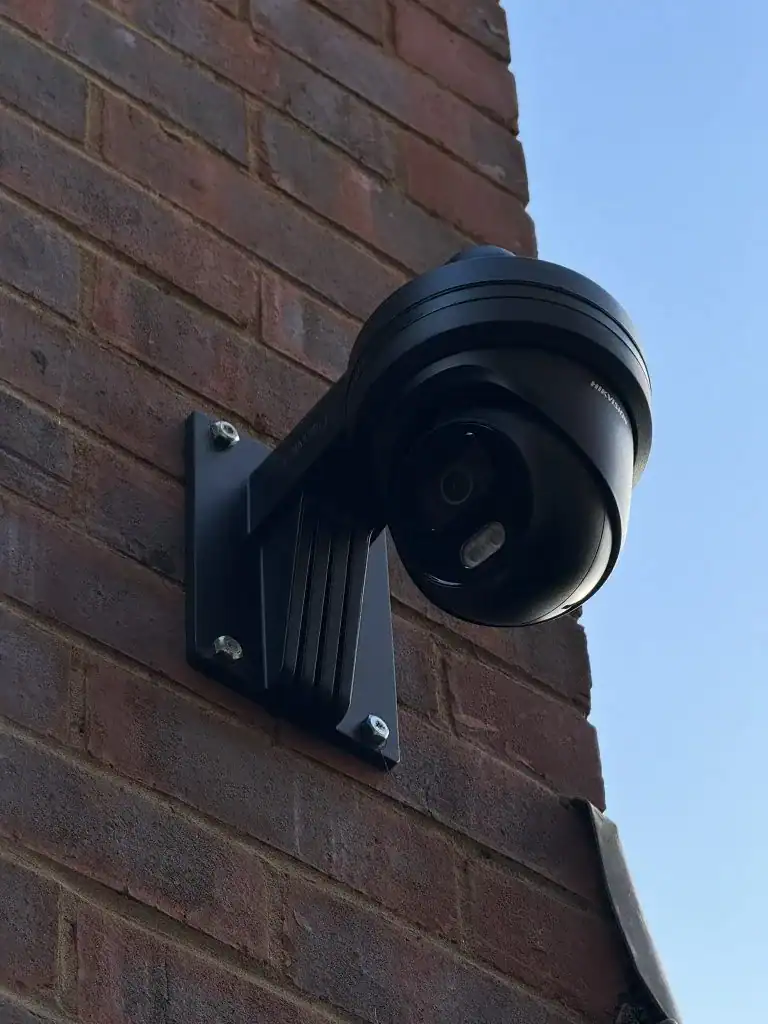
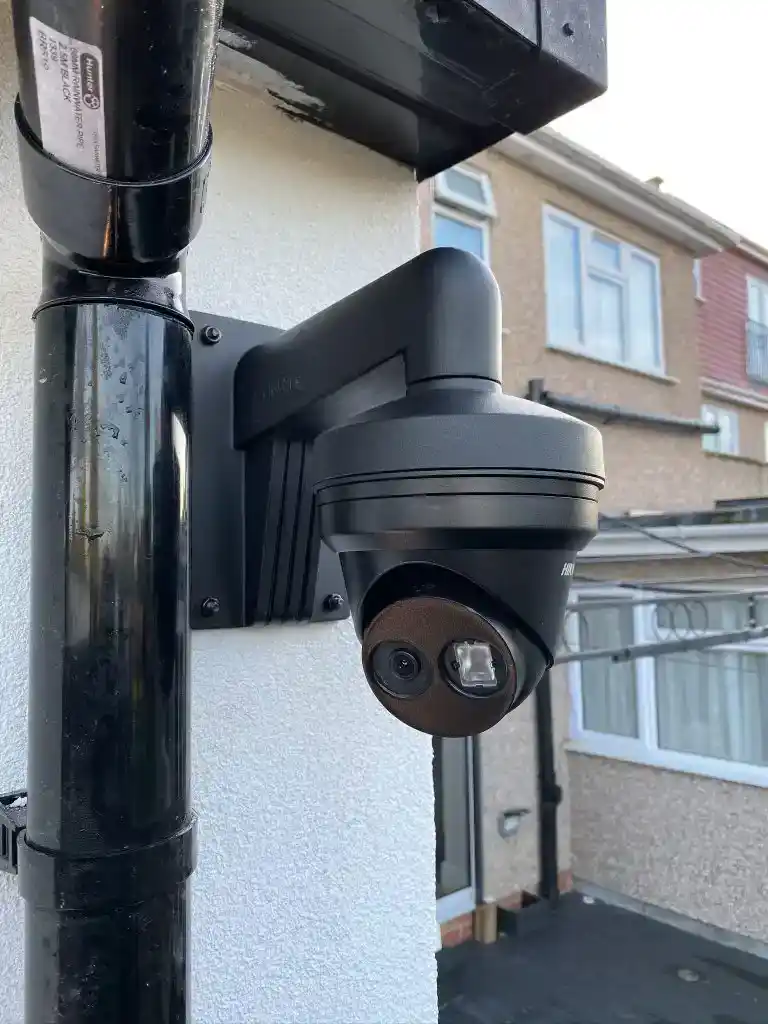
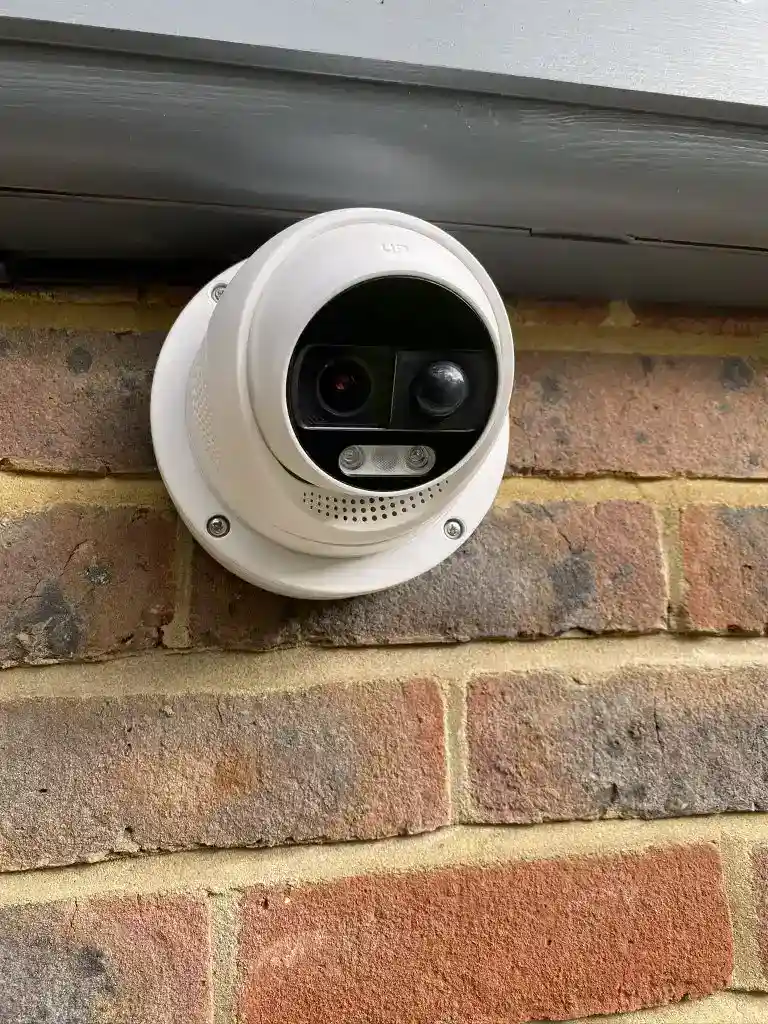
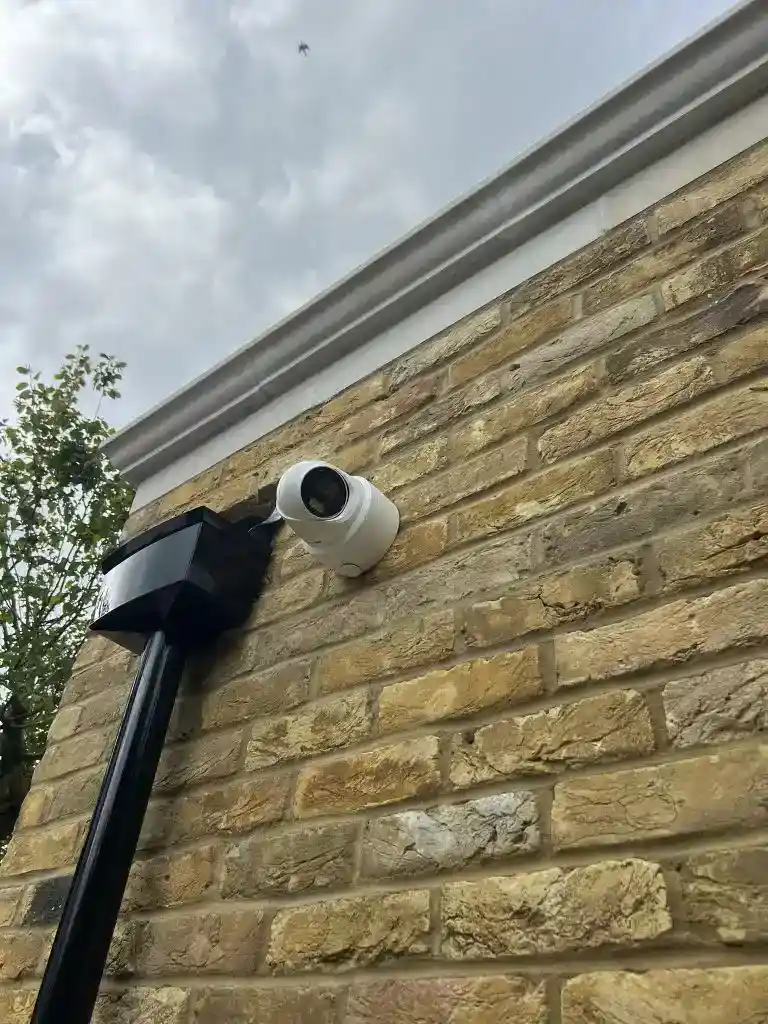
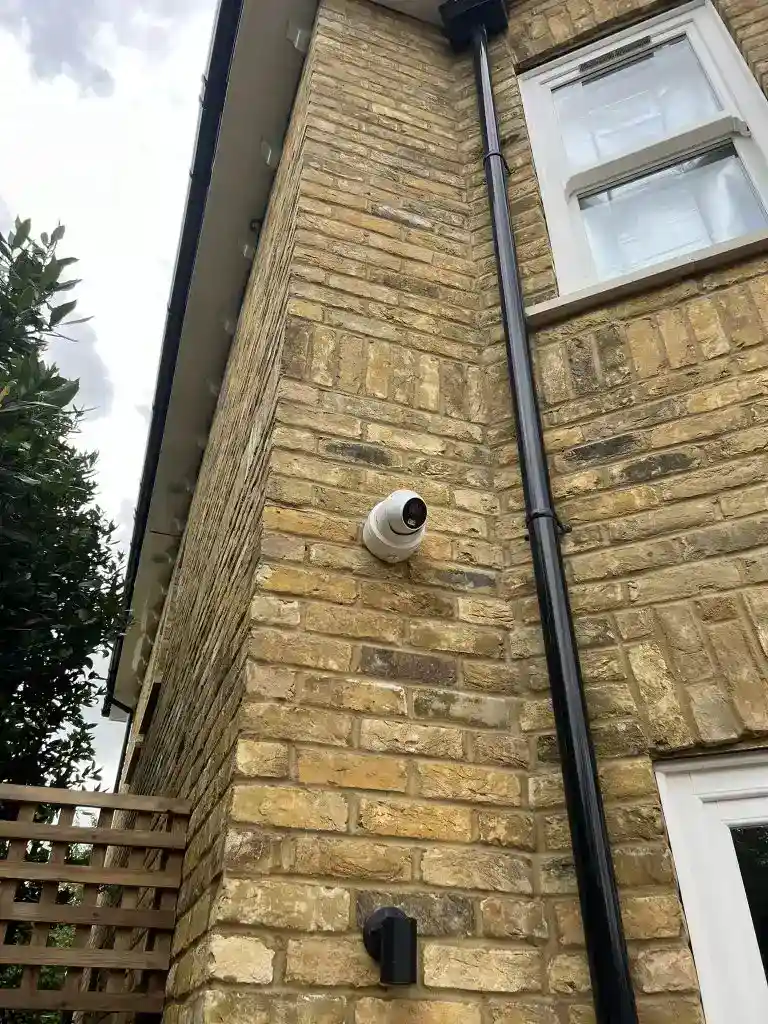
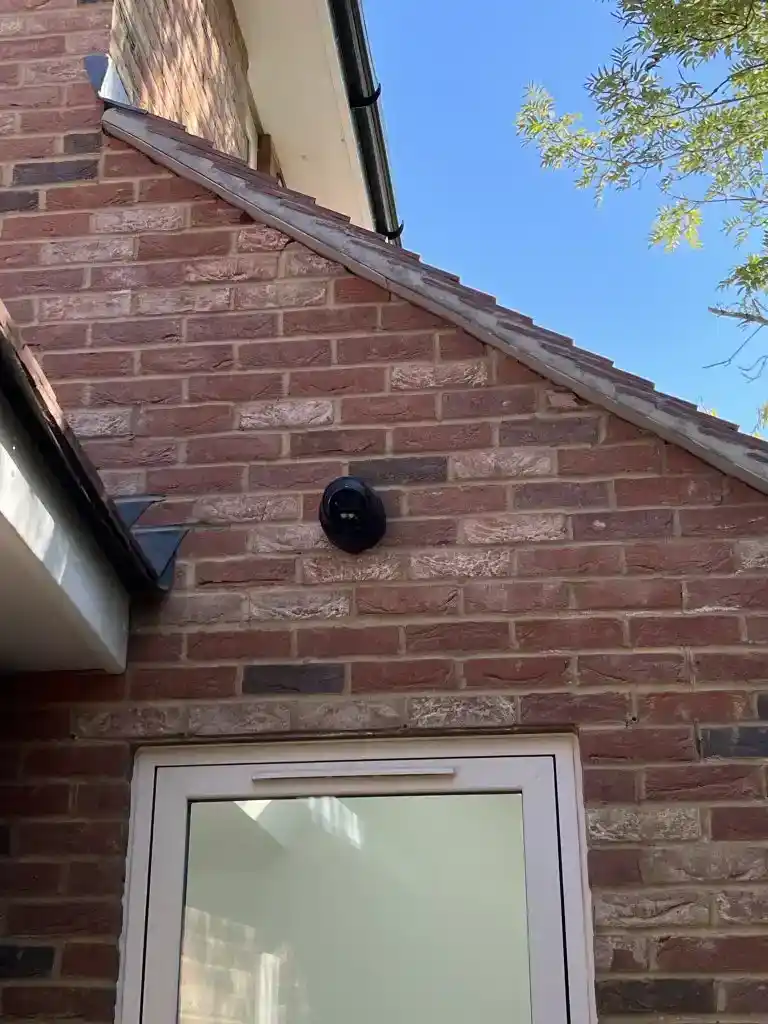
Recent Work













Frequently Asked Questions
Think about the areas you want to see and why those views matter. You might want to monitor parked vehicles, check a side entrance or review deliveries to business premises. It also helps to consider whether you need remote viewing and how you expect to use recorded footage. You do not need to choose equipment in advance; we can assess your property and explain suitable options. Identifying your priorities gives the consultation a clear starting point and helps avoid paying for features you are unlikely to use.
Yes, a system can be designed to cover both areas, subject to suitable camera positions and installation access. Separate views are often needed because the distance, lighting and direction of activity can differ considerably. We assess each location and consider whether one camera offers enough useful coverage or whether additional views would be appropriate. Buildings, fences, trees and parked vehicles can affect visibility, so these are considered during planning rather than relying solely on the camera’s advertised viewing angle.
Compatible systems can send activity notifications to a connected mobile device. The available settings depend on the cameras, recording equipment and application selected. Some systems allow detection areas or schedules to be adjusted, helping tailor notifications to your requirements. We discuss these features before installation and demonstrate the agreed controls afterwards. Notifications also depend on connectivity and device settings, so it is useful to understand how they work alongside the system’s recording functions.
Storage time depends on the recorder’s capacity, the number of cameras and the recording settings. Higher image quality and longer recording periods generally require more storage, while event-based recording can produce different results depending on activity levels. Many systems overwrite older footage once the allocated storage is full. We discuss your expected use before specifying equipment and explain how the proposed arrangement retains recordings. This helps you choose a suitable balance between image quality, recording coverage and capacity.
Yes, renovation work can provide a useful opportunity to plan camera positions and cable routes. Where access is available before walls or ceilings are finished, it may be easier to conceal wiring and prepare connections for the proposed equipment. Early discussion also helps coordinate the location of the recorder and supporting network equipment. We can consider the installation alongside your building plans, explaining what needs to happen at each stage and which decisions should be made before decorating is completed.
Not necessarily. Whether existing components can be retained depends on their condition, compatibility and ability to support your intended improvements. Older cameras, recorders and cabling may have different limitations, so an assessment is needed before deciding what to reuse. Tell us what you want to improve, such as image clarity, coverage or remote access, and we can discuss the options. Where replacement is recommended, we explain the reason and how it relates to the performance you want from the system.